


Floral Scents
Soft, expressive fragrances with an elegant floral heart
Floral fragrances can be fresh and delicate, rich and sensual, or soft and quietly comforting. Jasmine, tuberose, peony, orange blossom and lavender are layered with fruits, woods, amber and aromatic notes to create fragrances that feel far more nuanced than simply “flowery”.
At Elm & Grey, our floral scents range from bright and uplifting to soft, cocooning and elegant — making them beautiful choices for creating atmosphere throughout the home.
Hand-poured in Wiltshire • Crafted with care in our studio • Premium fragrance oils • Thoughtfully designed • Refillable options
FIND YOUR FLORAL FRAGRANCE
DISCOVER YOUR SCENT


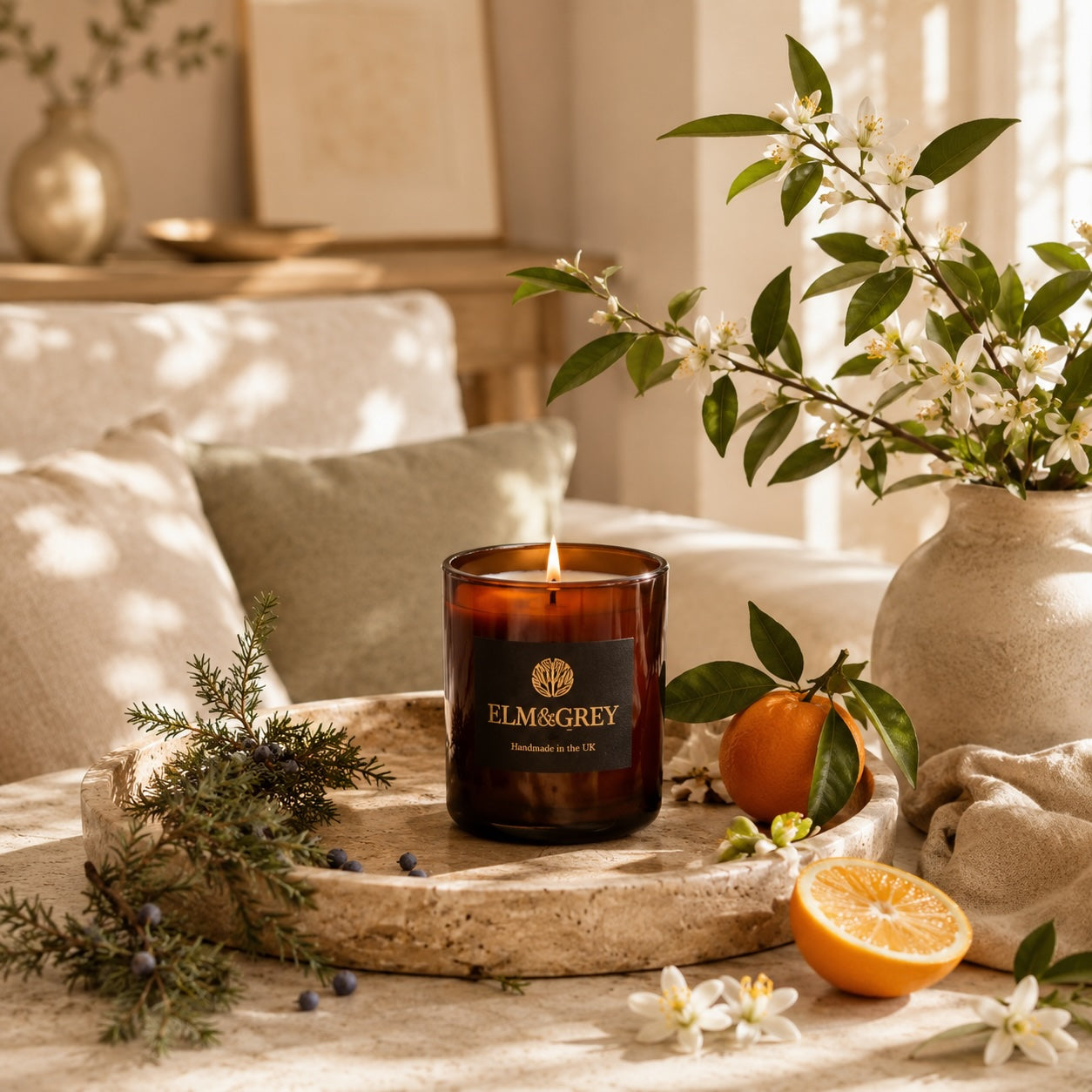

Velvet Peony & Oud
Elegant • Floral • Woody
Soft peony and warm oud create a sophisticated floral fragrance with a smooth, gently woody depth.
Best for
Bedrooms, dressing spaces and elegant living rooms
Ritual: Uplift
THE FLORAL FRAGRANCE FAMILY
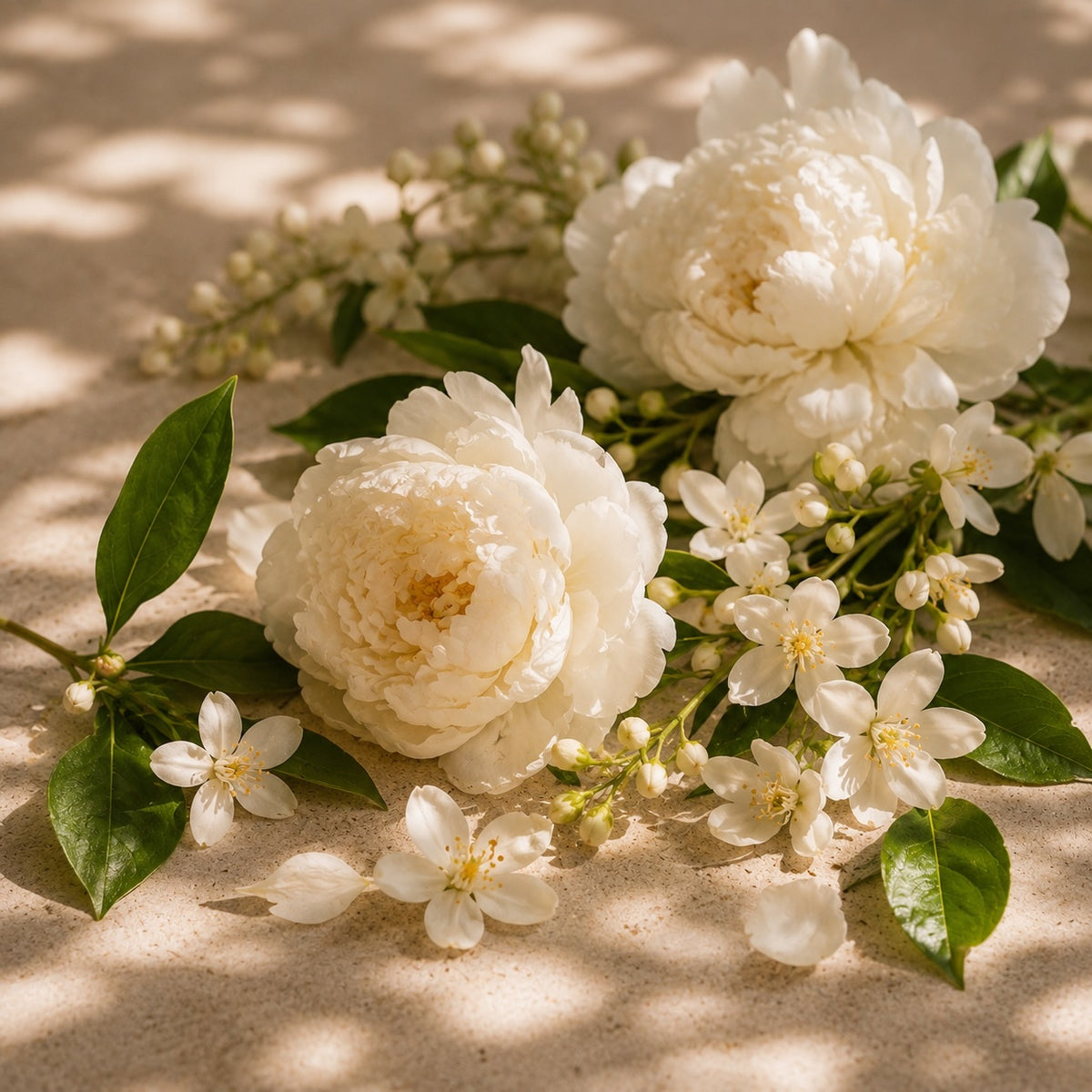
How floral fragrances smell
Soft • Elegant • Blooming • Layered • Expressive
Floral fragrances are built around notes inspired by flowers and blossom, but their character can vary enormously.
White florals such as jasmine and tuberose can feel creamy and sensual, peony brings a softer elegance, orange blossom feels brighter and more aromatic, while lavender adds a gentle, calming quality.

How floral fragrances feel
Elegant, inviting and beautifully atmospheric.
Floral scents have a wonderful ability to soften the feeling of a room. Depending on the fragrance, they can make a space feel serene and spa-like, warm and romantic, or fresh and gently uplifting.
They work beautifully when you want fragrance to feel noticeable and expressive without overwhelming the room.

Best in your home
Bedrooms • Living spaces • Bathrooms • Guest rooms • Dressing spaces
Floral fragrances work particularly well in rooms where you want the atmosphere to feel softer, welcoming and considered.
Lighter florals are lovely in bathrooms and guest spaces, while richer floral fragrances work beautifully in bedrooms and living rooms.
Which Floral Fragrance Should I Choose?

For something fresh, soft and spa-like

For a richer, fruity floral
Choose
Blackcurrant & Tuberose

For the softest and most cocooning
Choose
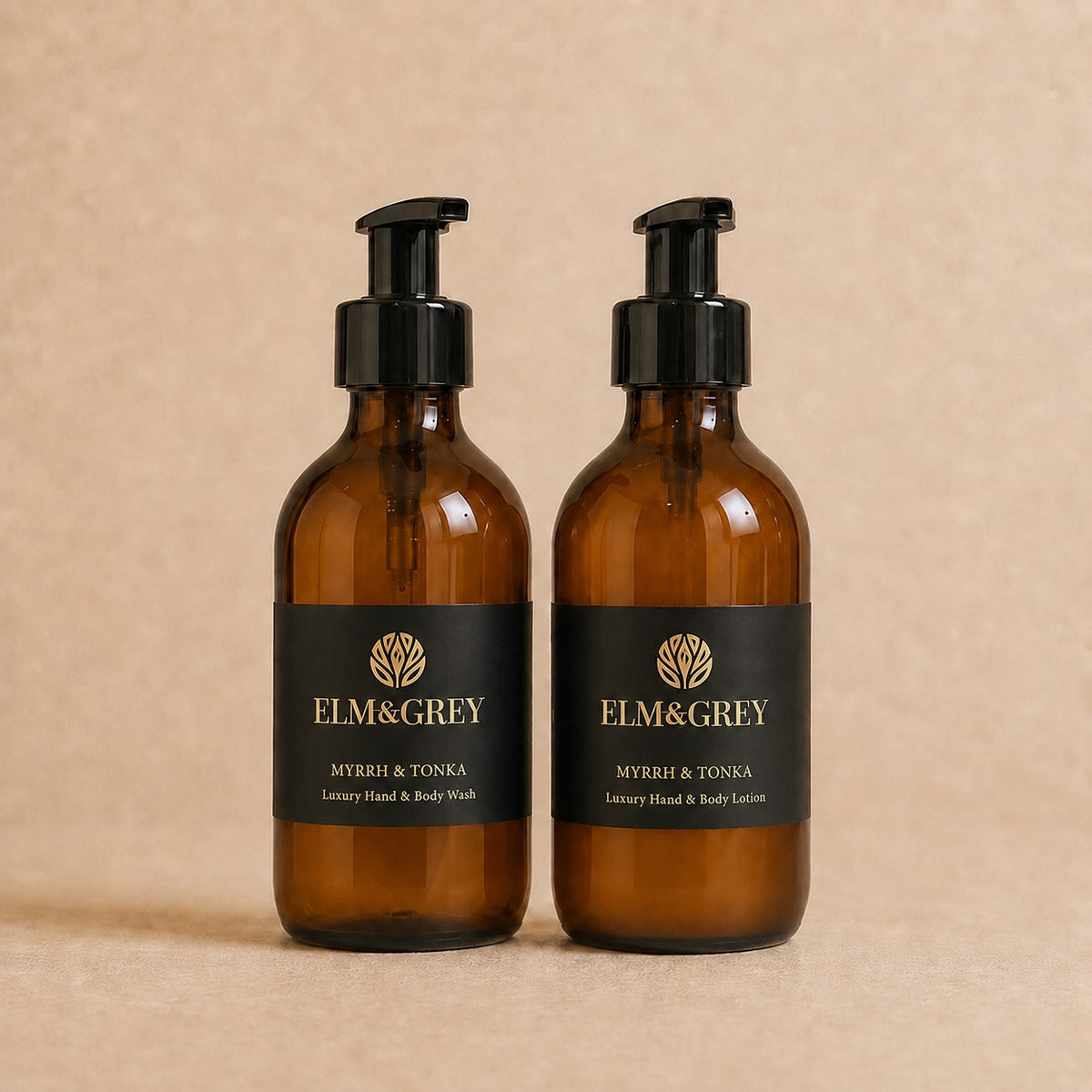
Myrrh & Tonka

For something brighter and more aromatic
Choose
Orange Blossom & Juniper

For the most elegant and sophisticated floral
Choose
Velvet Peony & Oud
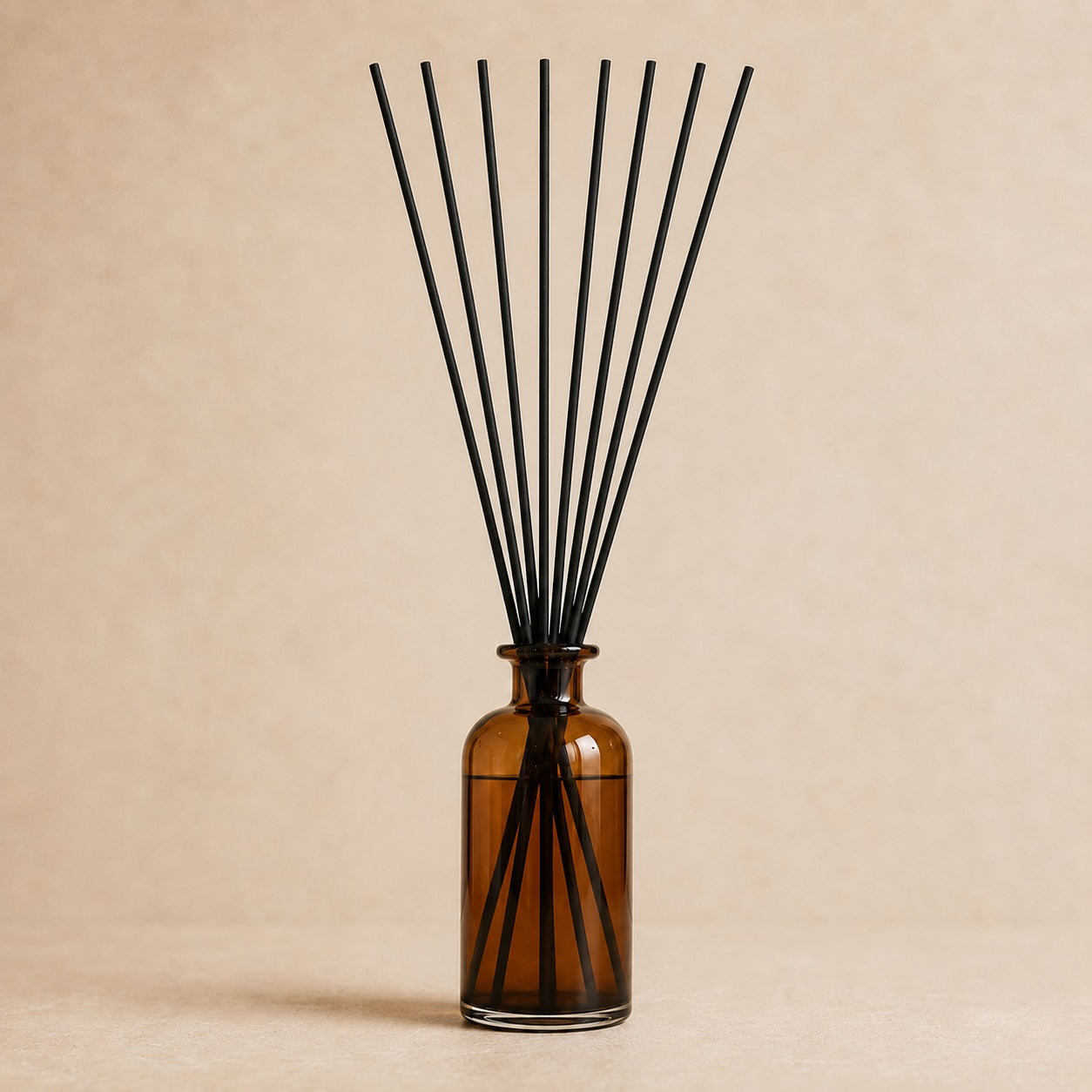
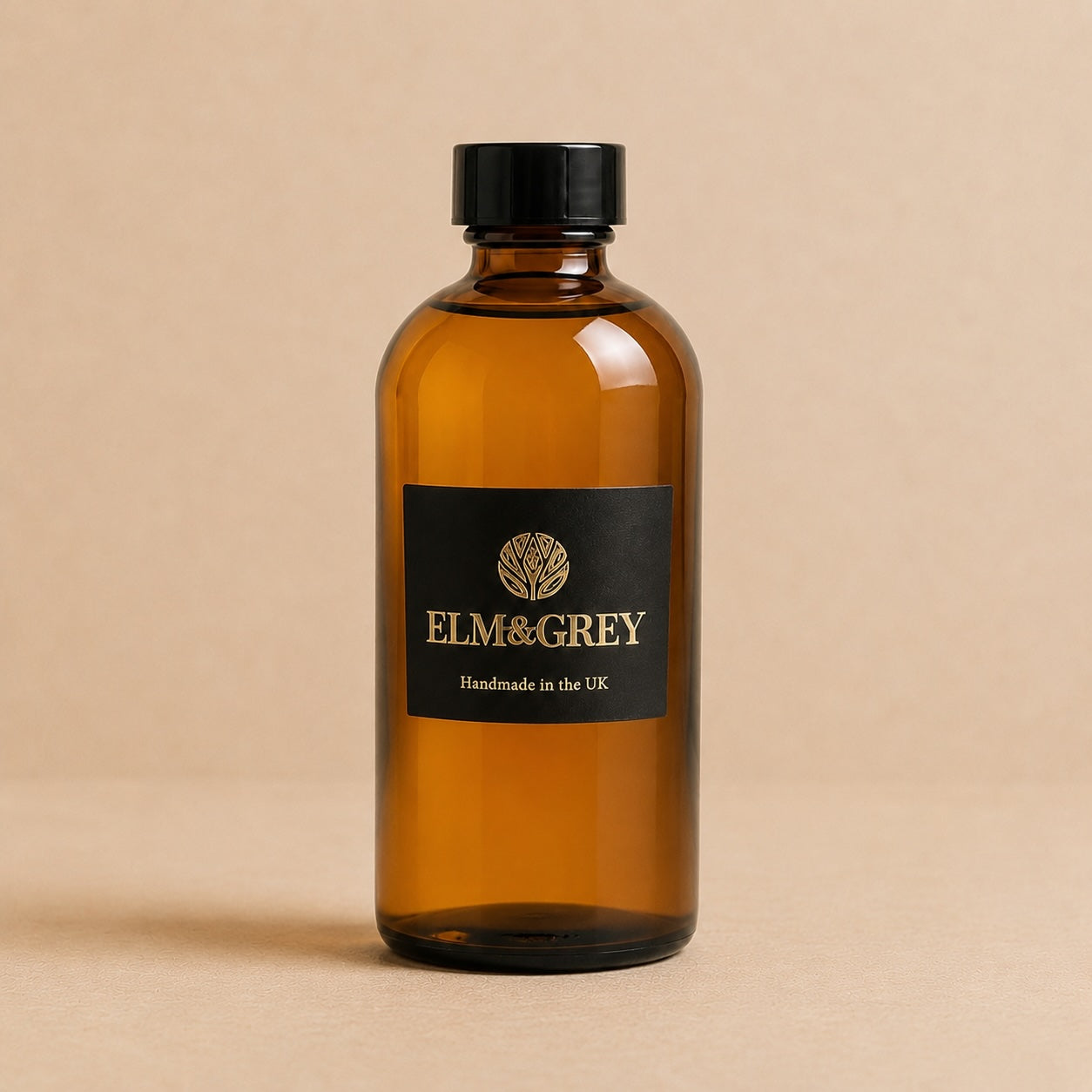
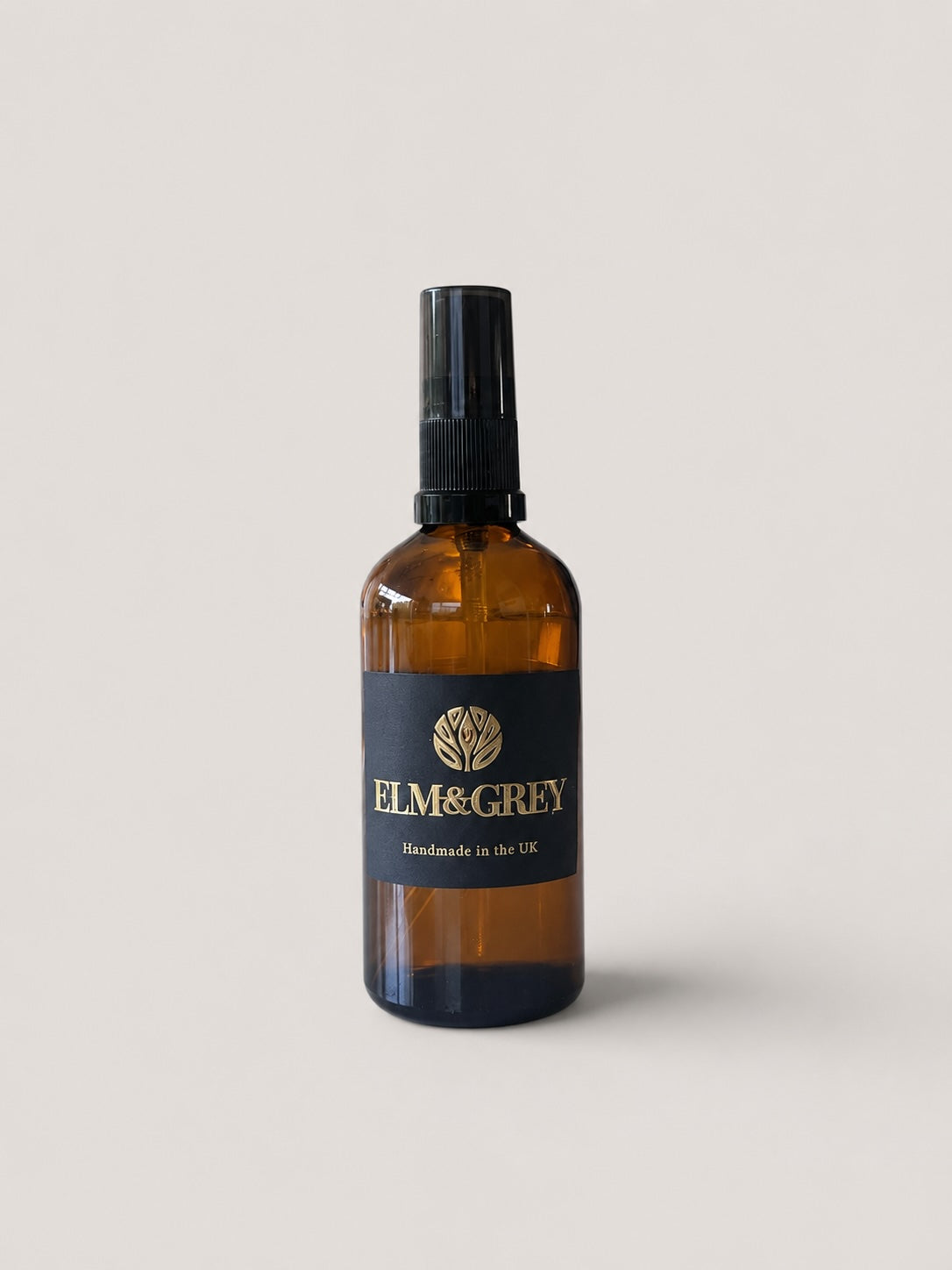
Choose your favourite way to enjoy the fragrance
SHOP THE COLLECTION
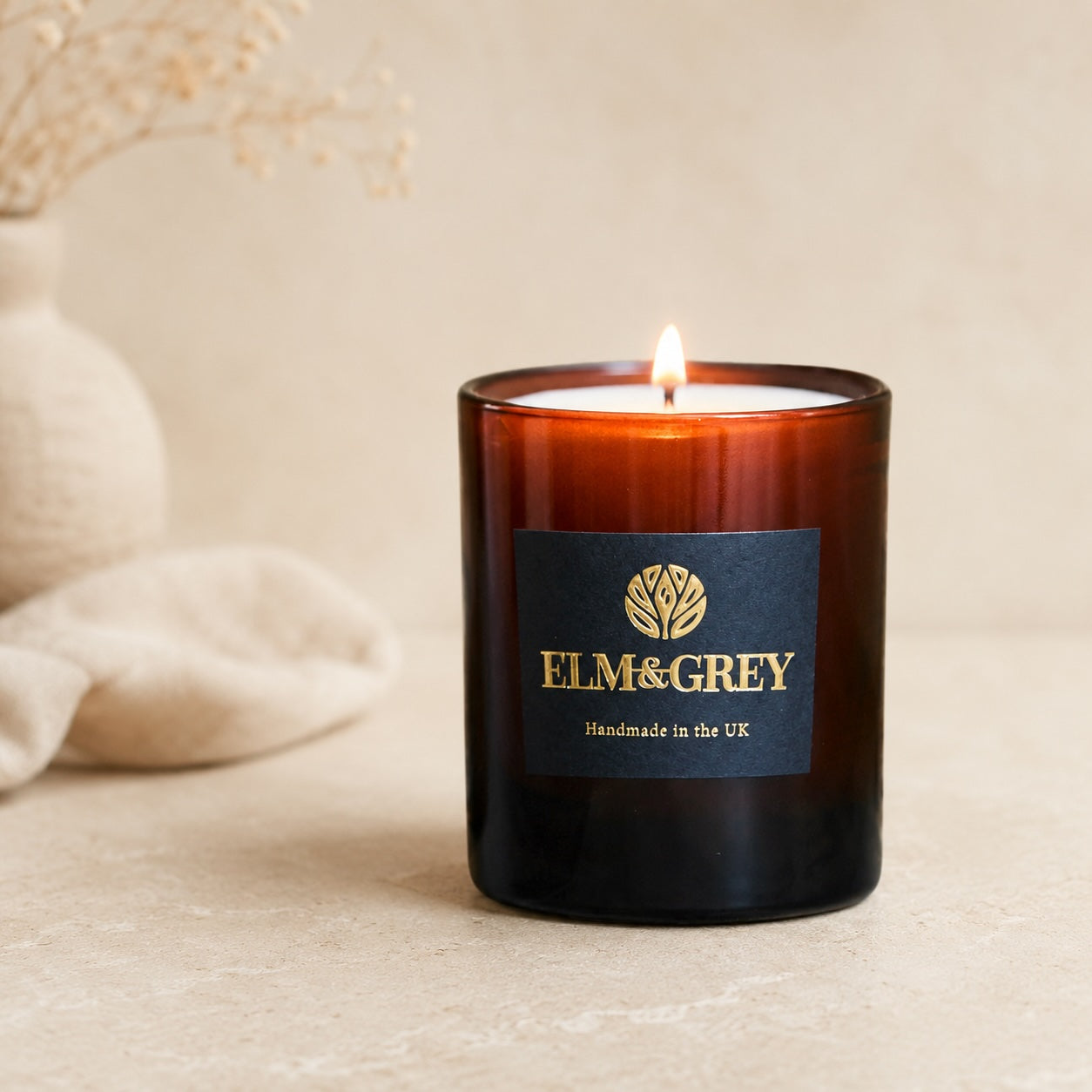
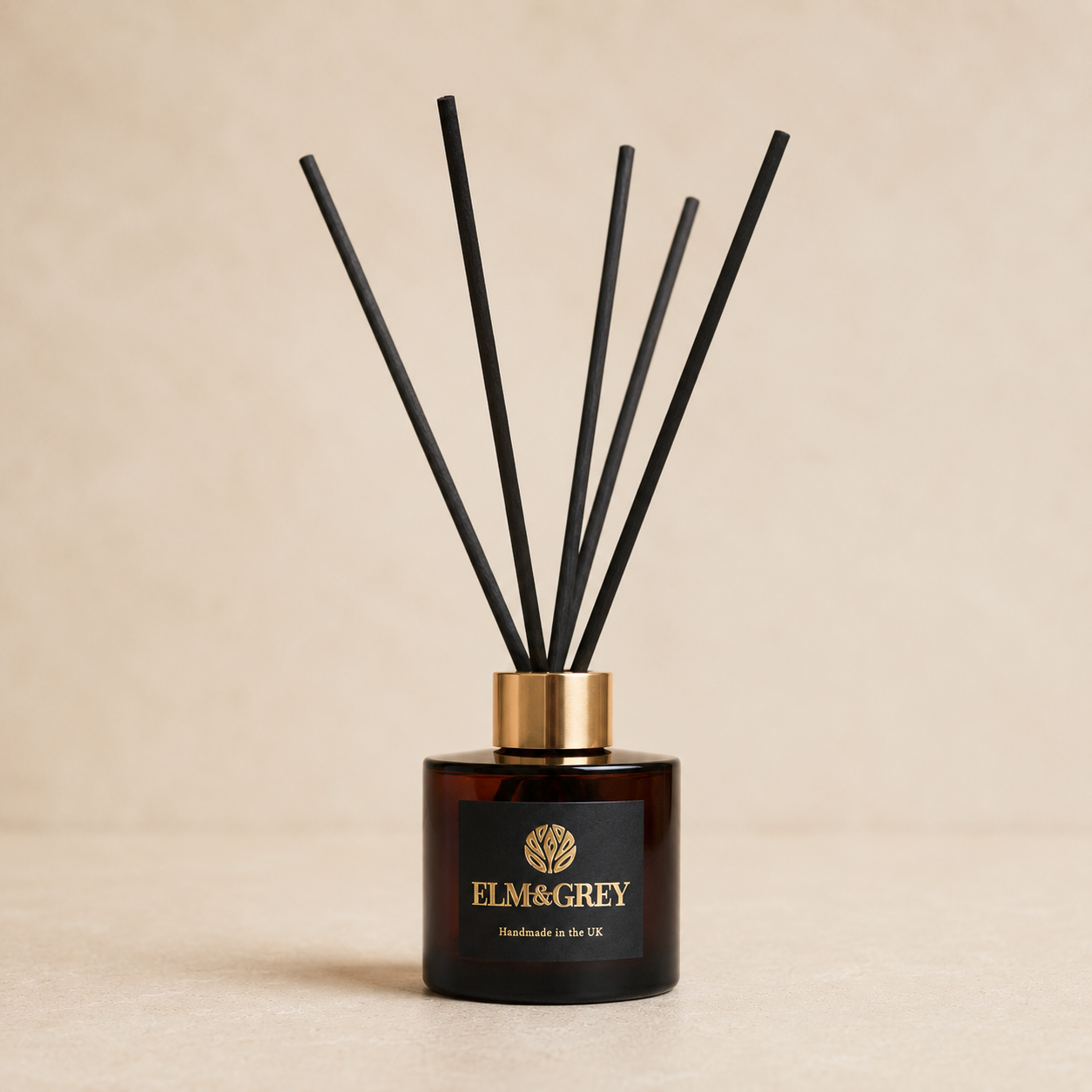

Floral Scents & Our Scent Rituals
scent & mood
A fragrance family describes how a scent smells.
Our scent rituals describe how you want your home to feel.

UNWIND SCENT RITUAL
Softer, warmer floral scents for calm evenings and restful spaces.
Comforting floral fragrances designed to make your home feel softer, more intimate and beautifully settled.
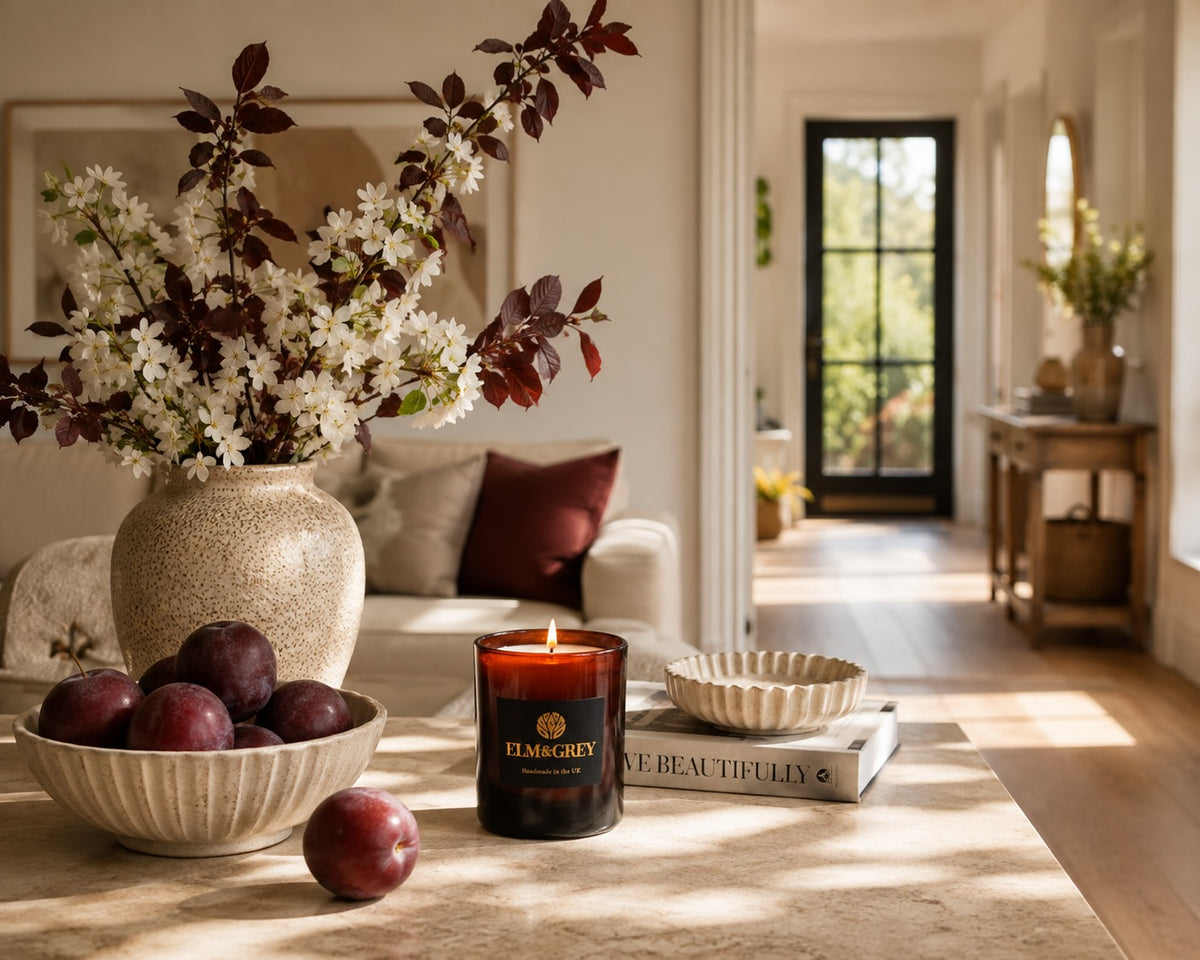
UPLIFT SCENT RITUAL
Bright, elegant floral scents for uplifting and inviting spaces.
Expressive floral fragrances designed to bring lightness, warmth and a positive sense of energy into your home.
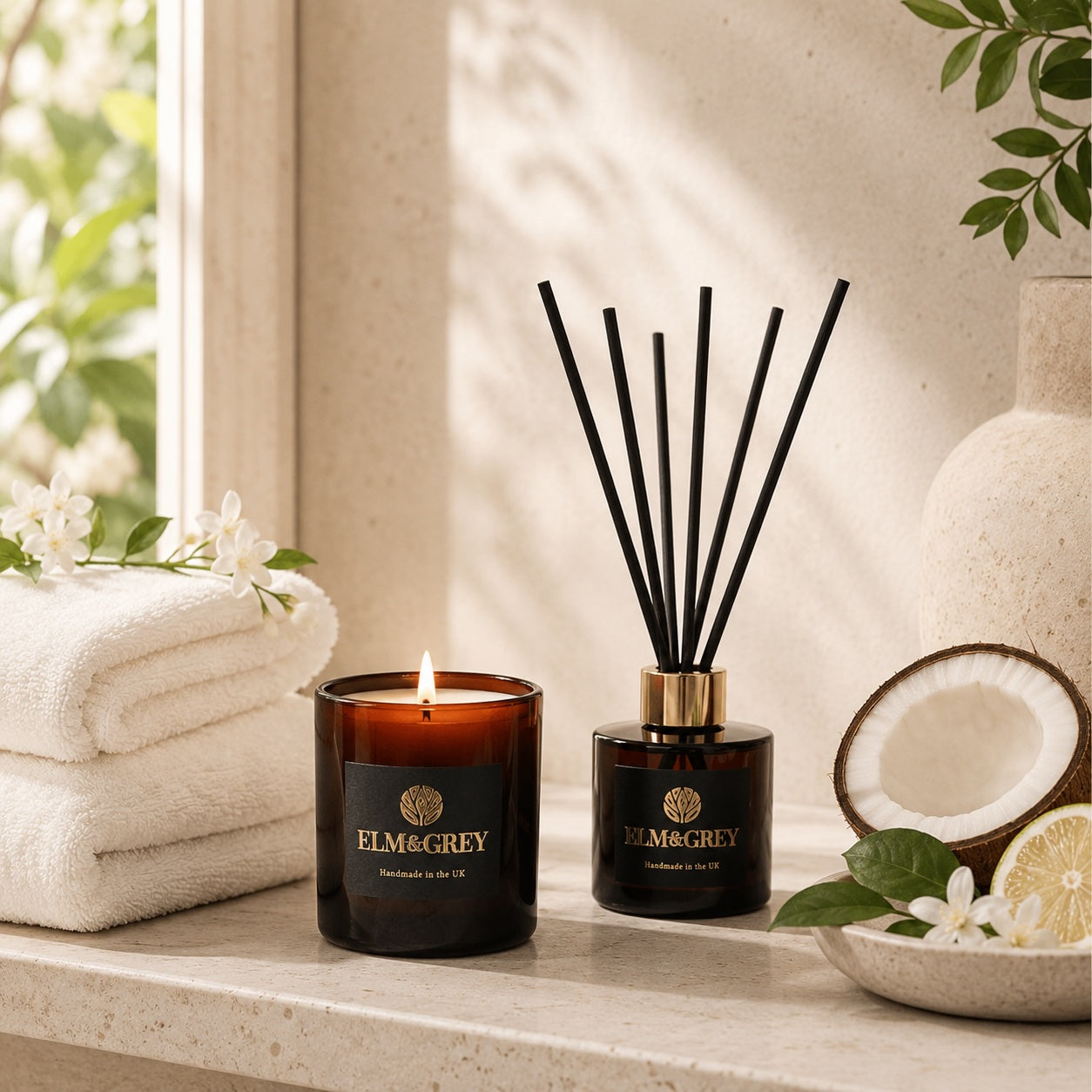
RESET SCENT RITUAL
Fresh, serene floral scents for calm, balanced spaces.
Cleaner, gentler floral fragrances for moments when you want your surroundings to feel restored and quietly refreshed.
Frequently Asked Questions
Floral fragrances are centred around flower and blossom notes such as jasmine, tuberose, peony, orange blossom and lavender. Depending on what they are blended with, they can smell fresh and delicate, creamy and sensual, or warm and softly enveloping.
Not necessarily. Some floral scents have a soft sweetness, while others are fresh, aromatic or woody. At Elm & Grey, our floral fragrances are layered with citrus, fruit, amber, woods and herbs to create more balanced and sophisticated scents.
Floral fragrances work beautifully in bedrooms, bathrooms, living spaces, guest rooms and dressing areas - particularly where you want the atmosphere to feel soft, welcoming and elegant.
No. Floral notes can be combined with woods, amber, herbs and citrus to create fragrances that feel sophisticated and balanced rather than overtly feminine.
I particularly like including this question because it quietly deals with one of the biggest objections people can have to the word “floral”.
Yes. Use a reed diffuser for continuous background fragrance, a candle for slower moments, a room spray for an immediate lift, and matching hand care to extend the scent into everyday routines.
Choose Bergamot, Jasmine & Coconut for something fresh and serene; Blackcurrant & Tuberose for richer fruity florals; Myrrh & Tonka for something soft and cocooning; Orange Blossom & Juniper for a brighter aromatic floral; or Velvet Peony & Oud for the most elegant and sophisticated option.
Keep candles away from draughts and trim the wick before each burn. For the first burn, allow the wax to melt evenly across the surface to help avoid tunnelling.
For reed diffusers, place them away from direct sunlight, radiators, strong draughts and open windows. Turn the reeds less often for a softer, slower fragrance release, or more often if you want a stronger scent.

Create a fuller fragrance experience
SCENT LAYERING
Layer coordinating products to deepen the fragrance, extend the experience and create a beautifully cohesive atmosphere throughout your home.